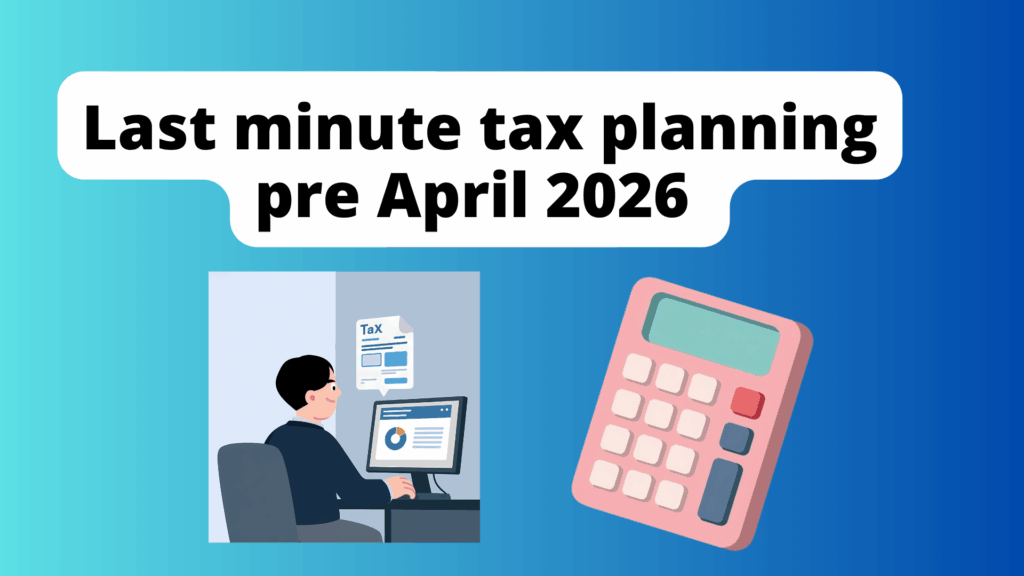
As the 5 April deadline approaches, it’s not too late to reduce your future tax bill. Even small last-minute steps can lead to meaningful savings.
With some key allowances reduced in recent years, tax planning is more important than ever. Here are some practical steps to consider before the tax year ends.
1. Use Your £20,000 ISA Allowance
Your Individual Savings Account (ISA) remains one of the most tax-efficient ways to save and invest. For the 2025/26 tax year, you can contribute up to £20,000, and any unused allowance is lost after 5 April.
By acting now, you can:
- Protect investments from income tax and capital gains tax
- Build long-term, tax-free growth
For example, investing the full £20,000 allowance today could mean no tax to pay on future income or gains, making it a valuable long-term planning tool.
An example of how this works:
SCENARIO 1: SAVINGS ONLY
£100,000 held entirely in a standard savings account at 4%. Annual interest earned: £4,000.
If the individual is a basic rate taxpayer, they will have a Personal Savings Allowance of £1,000 tax free. So the taxable interest is £3,000.
- Tax at 20%: £600, Net interest after tax: £3,400
SCENARIO 2: USING THE ISA ALLOWANCE.
From the same £100,000, £40,000 is moved into a Cash ISA, split as:
- £20,000 just before the end of the current tax year
- £20,000 in April, using the new tax year’s ISA allowance
- The remaining £60,000 stays in a standard savings account
- Interest rate remains 4% across all accounts
Interest breakdown:
Cash ISA (£40,000 at 4%). Interest earned: £1,600, Tax payable: £0 (ISA interest is tax free)
Standard savings (£60,000 at 4%). Interest earned: £2,400, Personal Savings Allowance: £1,000.
- Taxable interest: £1,400, after tax at 20%: £280
- Total tax paid: £280, Total net interest: £3,720
The difference planning can make
Holding £100,000 entirely outside an ISA resulted in £600 of tax. Using ISA allowances reduced the tax bill to £280. That’s £320 saved every year, simply by moving money into a tax efficient wrapper, with no increase in risk and no change in interest rate. This saving repeats year after year.
2. Make Pension Contributions (Up to £60,000)
Pension contributions are a very effective way to reduce your tax bill. You can typically contribute up to £60,000 per year (subject to income limits), with tax relief applied at your highest rate.
This means:
- A higher-rate taxpayer could turn a £1,000 contribution into a significantly lower net cost
- Contributions can reduce your taxable income and potentially put you into a lower tax band
- For business owners, pensions can also be a tax-efficient way to extract company profits.
3. Use Your £3,000 Capital Gains Tax Allowance
The Capital Gains Tax (CGT) allowance has been reduced to just £3,000, making it more important than ever to use it effectively.
If you’re considering selling investments or other chargeable assets, acting before 5 April could allow you to:
- Realise gains up to £3,000 tax-free
- Reduce the overall tax payable on larger disposals
For example, spreading disposals across tax years can help ensure you make full use of the allowance each year, rather than losing it.
4. Review Dividends and Income Timing
For limited company directors, timing is everything. The dividend allowance is now just £500, meaning careful planning is essential.
Before the tax year ends, consider:
- Whether you’ve used your dividend allowance
- If taking additional dividends now could be more tax-efficient than delaying
Similarly, reviewing the timing of income and expenses can help ensure profits fall into the most favourable tax period.
5. Check You’ve Claimed All Allowable Expenses
It’s surprisingly common for businesses to miss legitimate expenses — and overpay tax as a result.
Before 5 April, review your records to ensure:
- All business expenses are included
- Costs such as home office use, travel, or subscriptions are correctly claimed
- No allowable expenses have been missed
Even small claims can add up and reduce your taxable profit.
Don’t Miss the Window
While long-term tax planning is always best, last-minute action can still make a big difference. As allowances tighten and rules evolve, it helps to take a proactive approach.
Tax can be complex, and the right strategy will depend on your individual circumstances. Get advice to make the most of the opportunities available.
A short conversation before the deadline could lead to valuable savings — and ensure you don’t miss any opportunities.
As Lune Valley accountants we’re here to help with tax advice, small business accounting and much more. Contact us today for personalised support.